
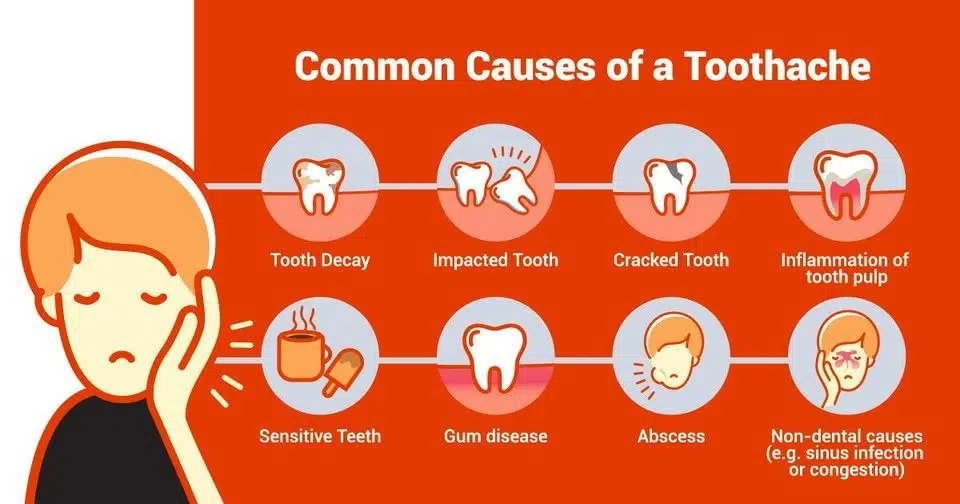
Pohonilmu.com – Many people notice the same frustrating pattern. During the day, a toothache may feel manageable, but as soon as they lie down at night, the pain suddenly becomes more intense. In some cases, the discomfort becomes so severe that it interrupts sleep and makes it difficult to rest.
If you have ever wondered why tooth pain seems worse before bedtime, you are not alone. Understanding the reasons behind this common experience can help you know when to seek professional treatment and how to manage discomfort until you can visit a dentist.
Why Does Tooth Pain Feel Worse at Night?
A toothache does not necessarily become more serious the moment night arrives, but several factors can make the pain feel stronger.
One of the main reasons is body position. During the day, people spend most of their time sitting or standing. When you lie down, blood flow to the head naturally increases. This increased circulation can place additional pressure on sensitive areas around an inflamed tooth or infected gum, making pain feel more noticeable.
Another factor is the lack of distractions. During the day, work, conversations, social activities, and daily responsibilities keep the brain occupied. At night, when everything becomes quiet, people tend to focus more on discomfort. As a result, pain that seemed mild during the day can suddenly feel much more intense.
Common Dental Problems That Cause Nighttime Tooth Pain
Several dental conditions can become especially uncomfortable during the evening.
Tooth Decay
Cavities are among the most common causes of toothaches. When decay reaches deeper layers of the tooth, sensitivity and pain can develop. The discomfort may become more noticeable at night when there are fewer distractions.
Dental Infection
An infected tooth can cause throbbing pain that often worsens when lying down. In some cases, the pain may spread to the jaw, ear, or surrounding areas of the face.
Gum Disease
Inflamed or infected gums can create pressure and tenderness around the teeth. Patients with gum disease may notice increased discomfort during the evening, especially if inflammation has progressed.
Cracked or Damaged Teeth
A small crack may not always be visible, but it can expose sensitive inner structures of the tooth. Biting pressure throughout the day can irritate the area and lead to worsening pain at night.
Signs Your Toothache Needs Immediate Attention
While some mild sensitivity may not require urgent treatment, certain symptoms should never be ignored.
You should contact a dental professional if you experience:
- Severe or throbbing pain that prevents sleep
- Swelling around the gums, jaw, or face
- Fever accompanying tooth pain
- A bad taste in the mouth that may indicate infection
- Difficulty chewing or opening the mouth
- Persistent pain lasting more than one or two days
These symptoms may indicate a more serious underlying problem that requires professional treatment from an experienced dentist in Bali.
What Can You Do to Relieve Tooth Pain at Night?
Although home remedies cannot solve the underlying problem, they may help reduce discomfort temporarily.
Rinsing with warm salt water can help keep the area clean and soothe irritated tissues. Applying a cold compress to the outside of the face may also help reduce swelling and numb discomfort.
It is also helpful to avoid very hot, cold, sugary, or hard foods before bedtime, as these can aggravate sensitive teeth. Some people find that sleeping with their head slightly elevated helps reduce pressure and discomfort during the night.
However, these solutions should only be considered temporary measures. Persistent tooth pain almost always requires professional evaluation to determine the true cause.
Why Early Treatment Matters
Many people hope that tooth pain will disappear on its own. Unfortunately, most dental conditions do not improve without treatment. Cavities continue to progress, infections can spread, and small cracks may become larger over time.
Seeking care early often allows dentists to address problems before they become more complicated and expensive to treat. What begins as a minor cavity today could eventually require more extensive treatment if ignored for too long.
This is why dental professionals recommend scheduling an examination whenever pain becomes persistent or recurrent.
Finding a Trusted Dentist in Bali
If tooth pain keeps you awake at night, visiting a qualified dentist in Bali is one of the best steps you can take. A professional examination can identify the source of the problem and help prevent further complications.
For patients seeking comprehensive dental care, Fidelity Dental Bali provides consultations and treatments for a variety of dental concerns, including toothaches, cavities, gum problems, and other oral health issues. The clinic focuses on clear communication and patient comfort, helping patients understand their condition and available treatment options.
Many patients appreciate having access to an experienced dentist in Bali who can explain the cause of their symptoms and recommend appropriate solutions based on their individual needs.
Don’t Ignore Nighttime Tooth Pain
A toothache that becomes worse before bed is often a sign that something needs attention. Increased blood flow, reduced distractions, and underlying dental problems can all contribute to stronger pain at night.
While temporary measures may help reduce discomfort, they cannot replace professional treatment. If pain continues, worsens, or begins affecting your sleep, it may be time to visit a trusted dental clinic in Bali for a proper diagnosis.
Addressing dental problems early can help protect your oral health, reduce discomfort, and allow you to return to restful nights without persistent tooth pain.
